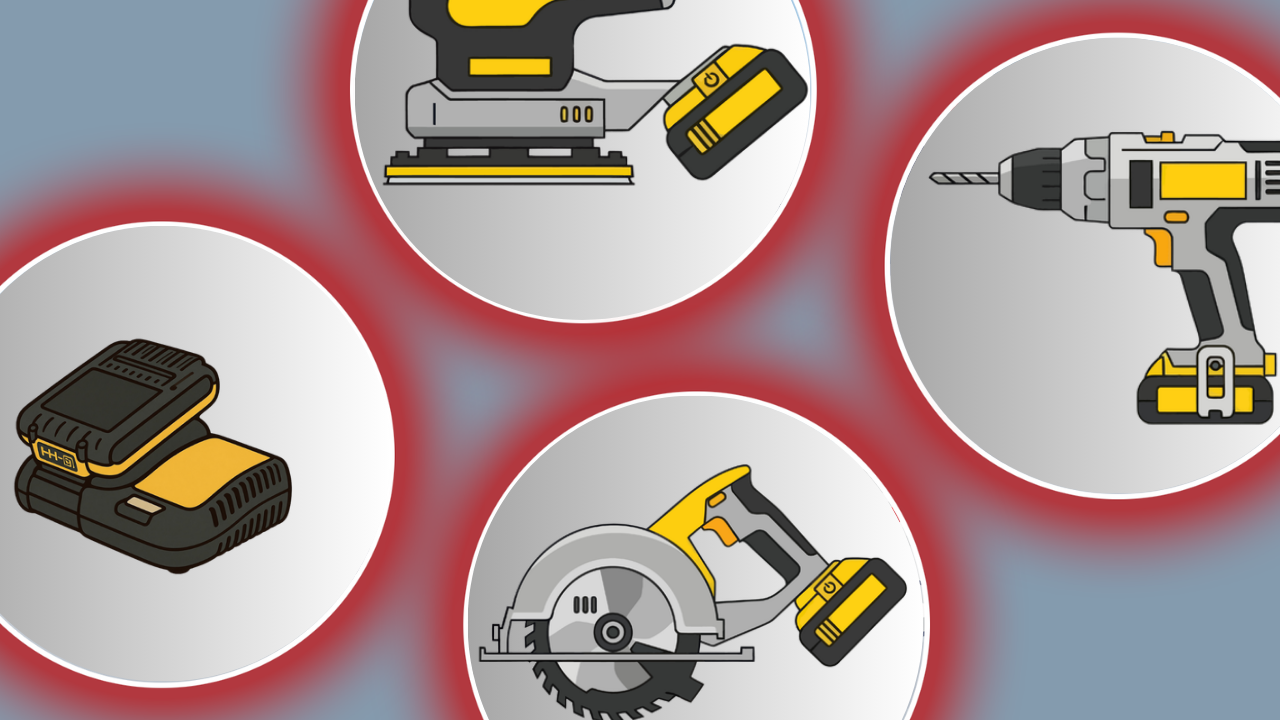
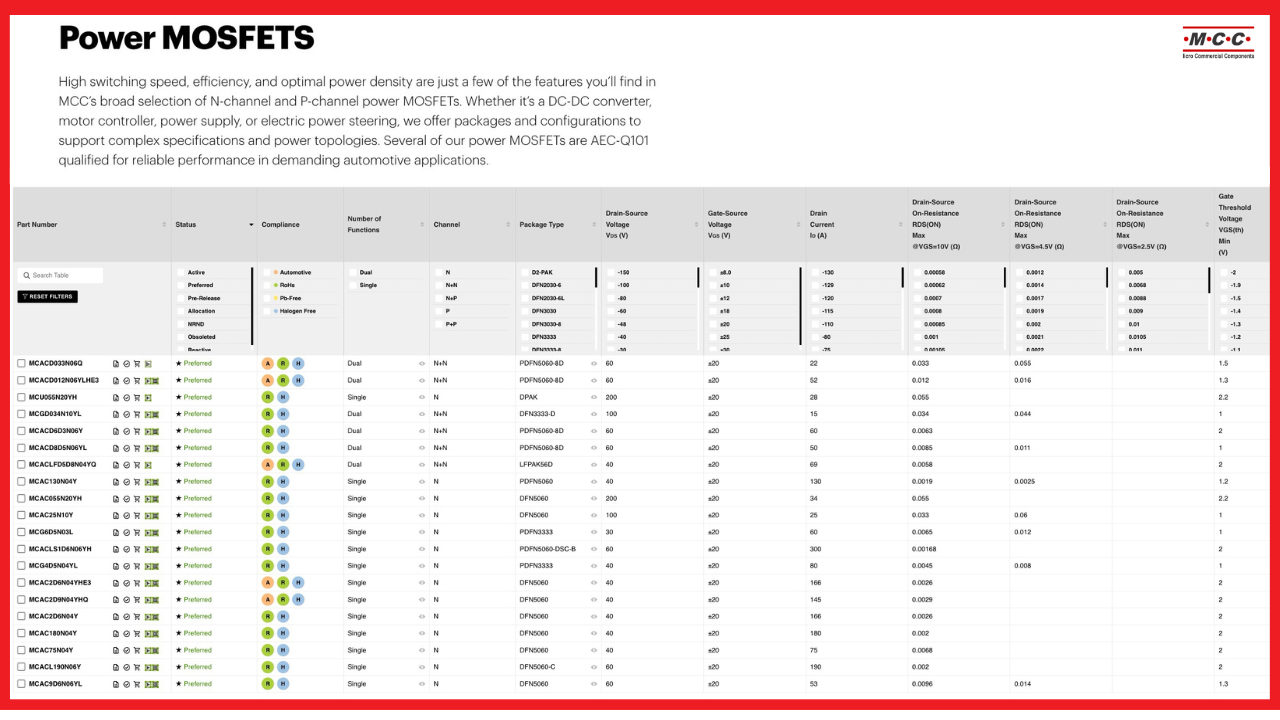
Selecting the Right MOSFET VDS Rating by Battery Voltage
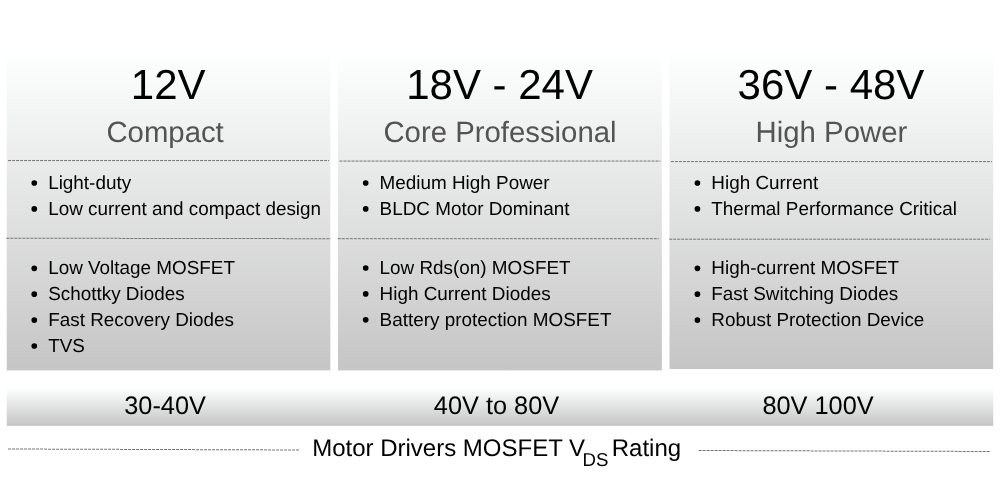
BLDC motor drivers must withstand voltage spikes caused by inductive switching, regenerative braking, and transient loads. Because of these effects, MOSFET VDS ratings are selected significantly above the nominal battery voltage.
 |
|
|
12V Battery Systems
|
18V – 24V Battery Systems |
36V – 48V Battery Systems
|
|
Recommended VDS Rating 30V – 40V |
Recommended VDS Rating 40V – 80V |
Recommended VDS Rating 80V – 100V |
|
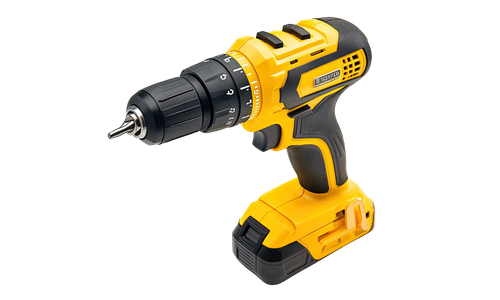
Typical applications include:
|
Typical applications include:
|
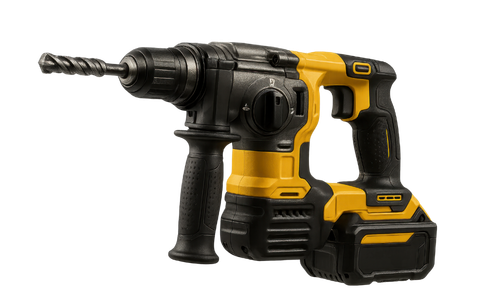
Typical applications include:
|
|
Low-voltage MOSFETs prioritize compact size and cost efficiency. |
40V MOSFETs typically provide sufficient margin for switching spikes and inductive transients. |
Higher VDS MOSFETs are required to maintain margin under higher bus voltage and load conditions. |

For more details, see: The Essential Guide to 40V MOSFET Functions and Features
Motor Drive Stress Conditions
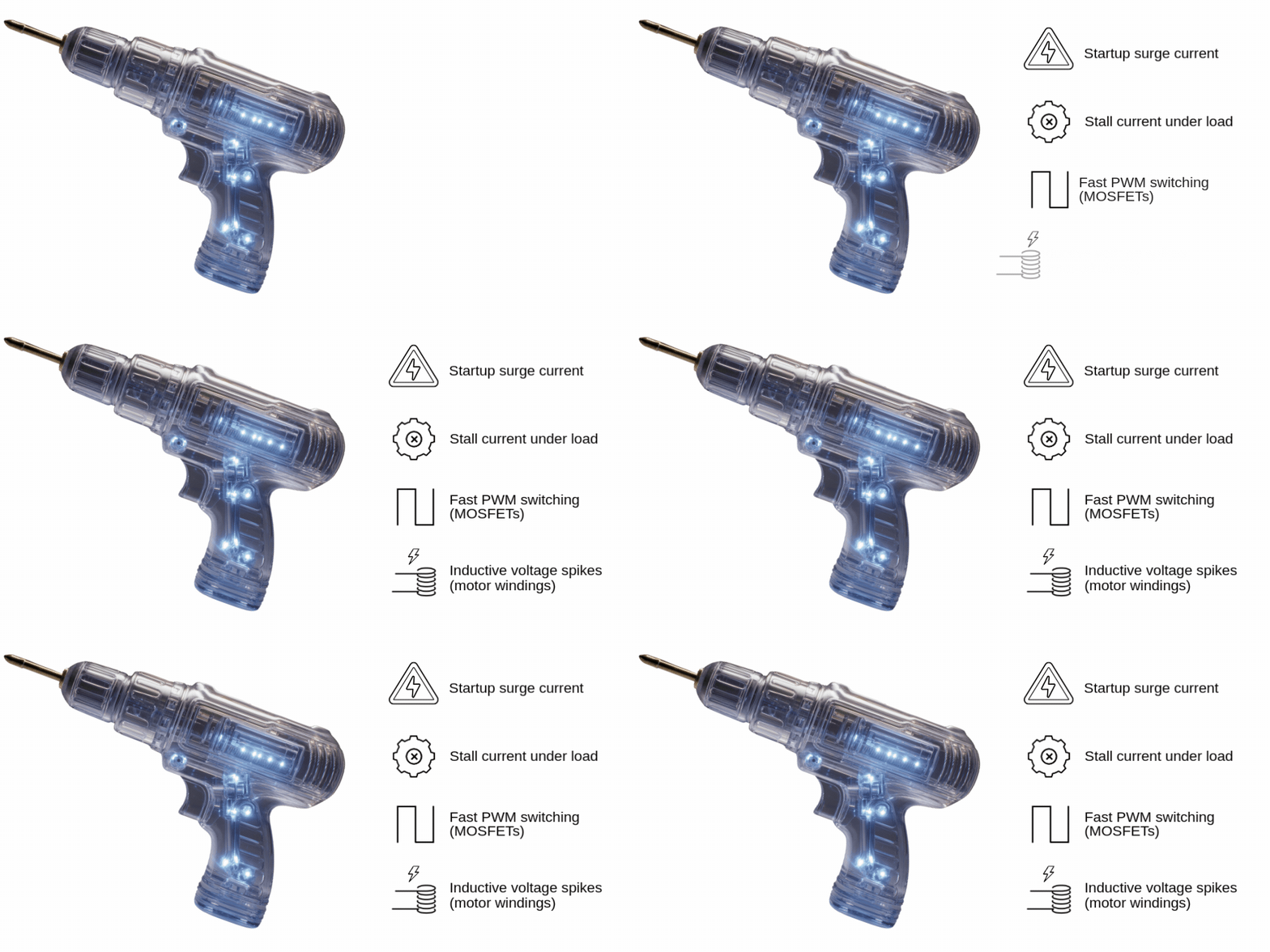
Battery-Powered Power Tool Architecture
Cordless power tools convert stored lithium‑ion battery energy into mechanical motion through a series of power conversion stages:
Battery Pack – Battery Protection – Motor Driver – BLDC Motor
Primary System Blocks
|
System Block |
Function |
Typical Components |
|
Battery Pack |
Stores lithium‑ion energy |
Li‑ion cells |
|
Battery Protection |
Prevents short circuits and over‑current events |
Protection MOSFETs |
|
Motor Driver |
Converts DC voltage into controlled motor drive signals |
MOSFET inverter |
|
Motor Unit |
Converts electrical energy into torque |
BLDC motor |
Most manufacturers develop the battery pack and motor internally, while chargers are typically outsourced to power supply specialists.
Battery Pack Block Diagram
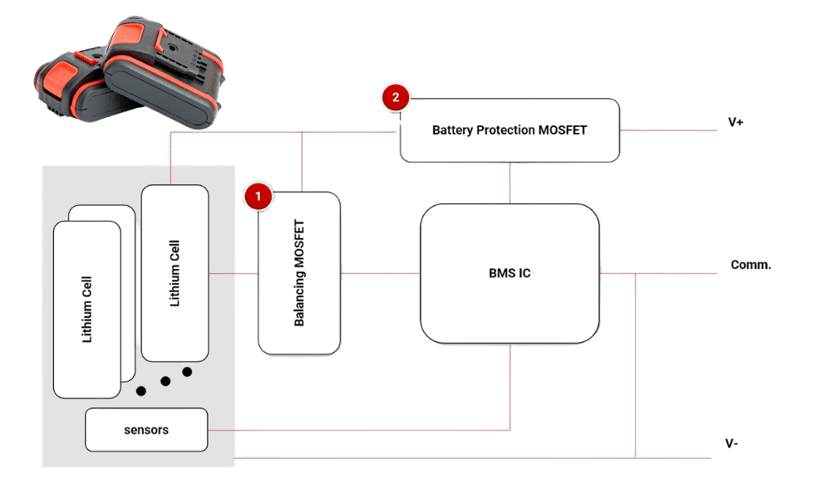
Recommended parts:
| Block # | Function | Requirements | Product Family | Packages | Recommended Parts |
| 1 | Balancing MOSFET | VDS > 2x V+ | P/N-Ch MOSFET 30V – 100V |
SOT-23 SOT-23 SOT-23 DFN1006-3 |
BSS84A 2N7002A SI2306K 2N7002KL3A |
| 2 | Batter Reverse Protection | VDS > 2x V+ Low RDS(on) High ID Max Strong SOA |
MOSFET 40V – 100V |
TOLL-8 TOLL-8 PDFN5060 |
MCTL2D0N10YHR MCTL1D0N08Y MCACL1D7N04YH |
Battery Charger Block Diagram
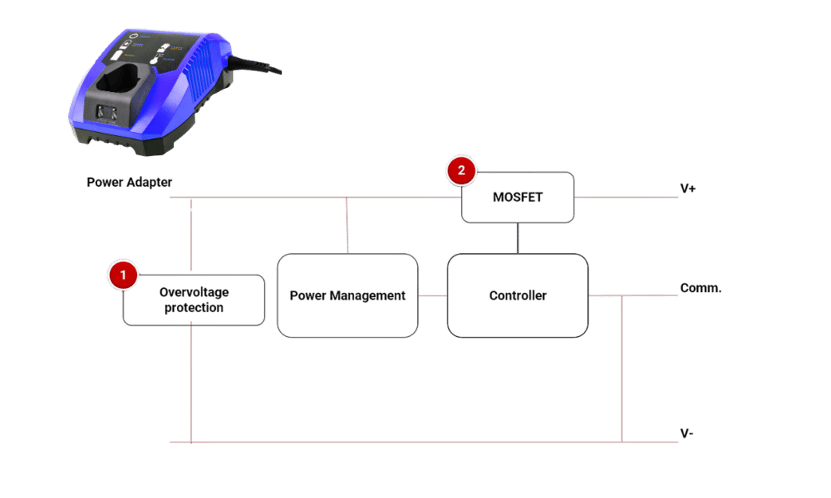 Recommended parts:
| Block # | Function | Requirements | Product Family | Packages | Recommended Parts |
| 1 | OV Protection | VRWM = V+ | TVS |
SMA, |
SMAJxxA series SMA6JxxA series SMBJxxA series SMBFxxA series |
| 2 | Output Switch | VDS > 2x V+ | P-Ch MOSFET 40V – 100V |
DFN3333 DFN5060 DPAK |
MCAC25P10Y MCAC80P06Y MCG25P06Y MCU28P10Y |
Motor Unit Block Diagram
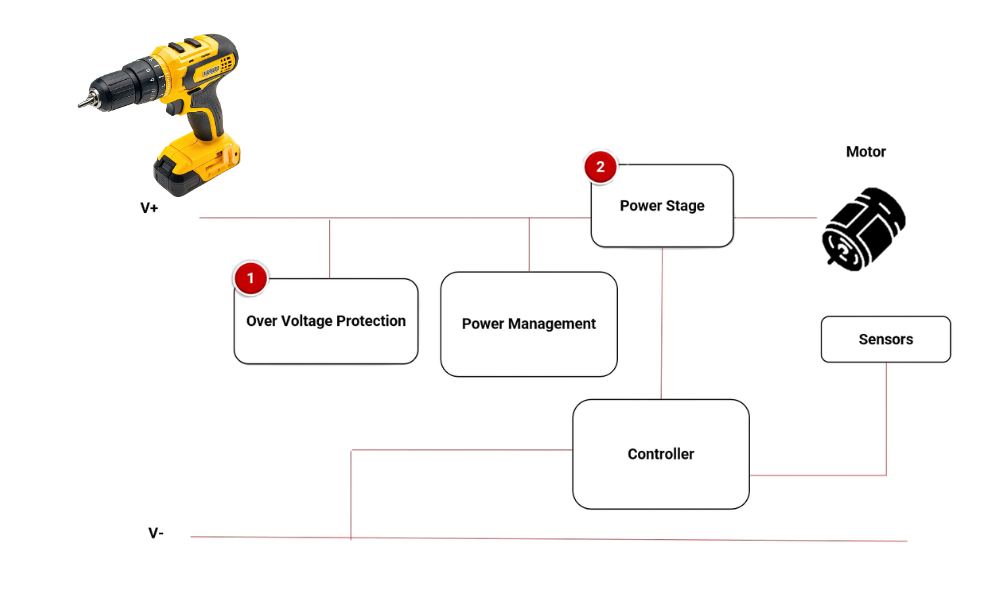
Recommended parts:
| Block # | Function | Requirements | Product Family | Packages | Recommended Parts |
| 1 | OV Protection | VRWM = V+ | TVS | SMA, S MA-FL SMB SMBF |
SMAJxxA series SMA6JxxA series SMBJxxA series SMBFxxA series |
| 2 | Power Stage | VDS > 2x V+ Ultra Low RDS(ON) |
MOSFET 40V – 100V |
TOLL-8 TOLL-8 PDFN5060-DSC PDFN5060 TOLL-8 TOLL-8 |
MCTL1D0N08Y MCTLD58N04Y MCACLS1D6N06YH MCACL1D2N04Y MCACL120N10YA MCACL220N06Y |
Grid-Powered Power Tool Architecture
Grid-powered tools operate directly from AC mains and use a simplified power conversion architecture:
AC Input – Rectification – DC Bus – Motor Driver – Motor
Primary System Block
|
System Block |
Function |
Typical Components |
|
AC Input |
Connects tool to mains power |
Input filtering |
|
Rectification |
Converts AC to DC |
Rectifier diodes |
|
Power Stage |
Drives the motor |
MOSFETs / IGBTs |
|
Protection |
Protects against voltage spikes |
Surge protection devices |
|
Controller |
Controls system operation |
Control ICs |
Because these systems do not require battery management, overall complexity is lower.
Grid Power Tools Block Diagram:
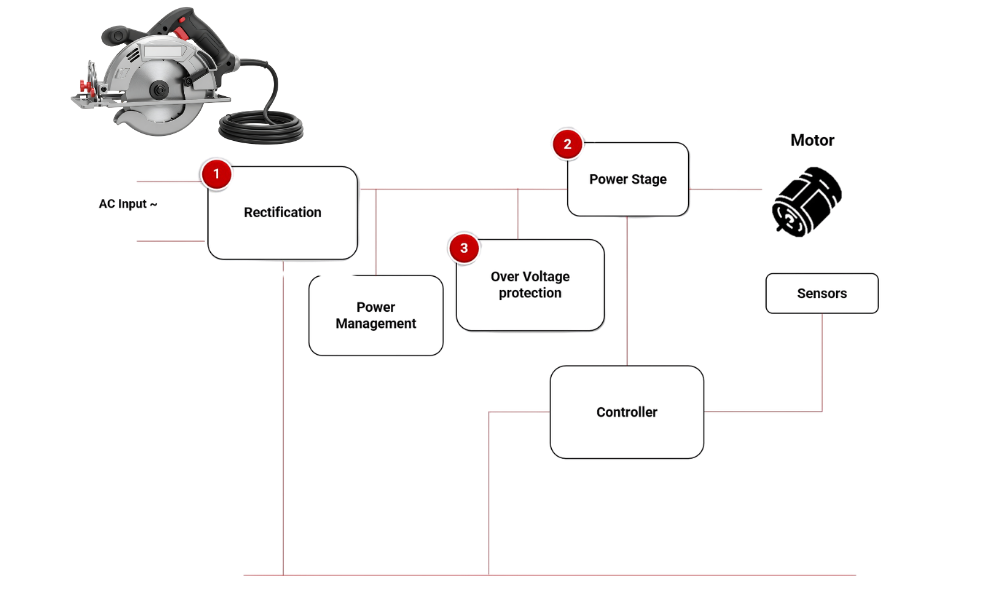
Recommended parts:
| Block # | Function | Requirements | Product Family | Packages | Recommended Parts |
| 1 | Rectification | Bridge / Standard Rectifiers | GBU GBJ TBL JB SMC |
GBU6MS GBJ1006 KBJA608 TBL608L SMLJ60S8 |
|
| 2 | Power Stage | >=650V | IGBT & SiC | D2PAK TO220 TO247 TO247-4 |
MIB10N65AT1Y MIP15N65AT1Y MIW20N65AT0Y SICWZ025N075G3 |
| 3 | OV Protection | VRWM = V+ | TVS | SMA, SMA-F SMB SMBF |
SMAJxxA series SMA6JxxA series SMBJxxA series SMBFxxA series |
MOSFET Packages for Power Tools
MOSFETs for power tools commonly range from 30 V to 100 V and are available in compact, thermally efficient packages built for high-current operation.
- 30–40V → 12V / 18V compact tools
- 40–60V → Professional 18–24V systems
- 80–100V → Outdoor and industrial equipment
Case Study:
40V MOSFET for an 18V Cordless Power Tool BLDC Motor Drive
Application Overview
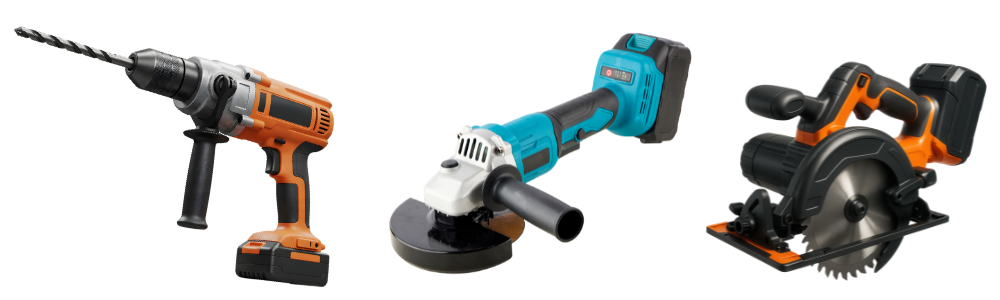
A global power tool manufacturer evaluated an MCC 40V MOSFET for its 18V platform used in drills, grinders, and saws. The device is part of the BLDC motor inverter stage.
Design Challenge
Motor drivers must tolerate:
- High startup currents
- Stall overload conditions
- Inductive voltage spikes
- Rapid PWM switching transitions
The MOSFET needed low losses, strong current handling, and stable switching across the tool’s operating range.
Device Requirements
The tool manufacturer required:
- Low RDS(on) for higher efficiency
- High current capability for surge and stall events
- Stable switching behavior under BLDC control
- Strong avalanche capability for inductive ruggedness
Engineering Evaluation
MCC’s engineering team reviewed system requirements and confirmed that an existing MCC MOSFET met performance targets. Samples were delivered within three weeks for evaluation.
Following customer validation, the device demonstrated the required electrical performance in the motor driver system and is being evaluated for use in next‑generation cordless tools.
 Power tool motor drivers place stringent demands on MOSFET performance, particularly in terms of RDS(on), current capability, and switching robustness. After reviewing the customer’s electrical specifications and application conditions, our team confirmed that the selected device met all requirements for the platform.” Power tool motor drivers place stringent demands on MOSFET performance, particularly in terms of RDS(on), current capability, and switching robustness. After reviewing the customer’s electrical specifications and application conditions, our team confirmed that the selected device met all requirements for the platform.” MCC FAE Team |
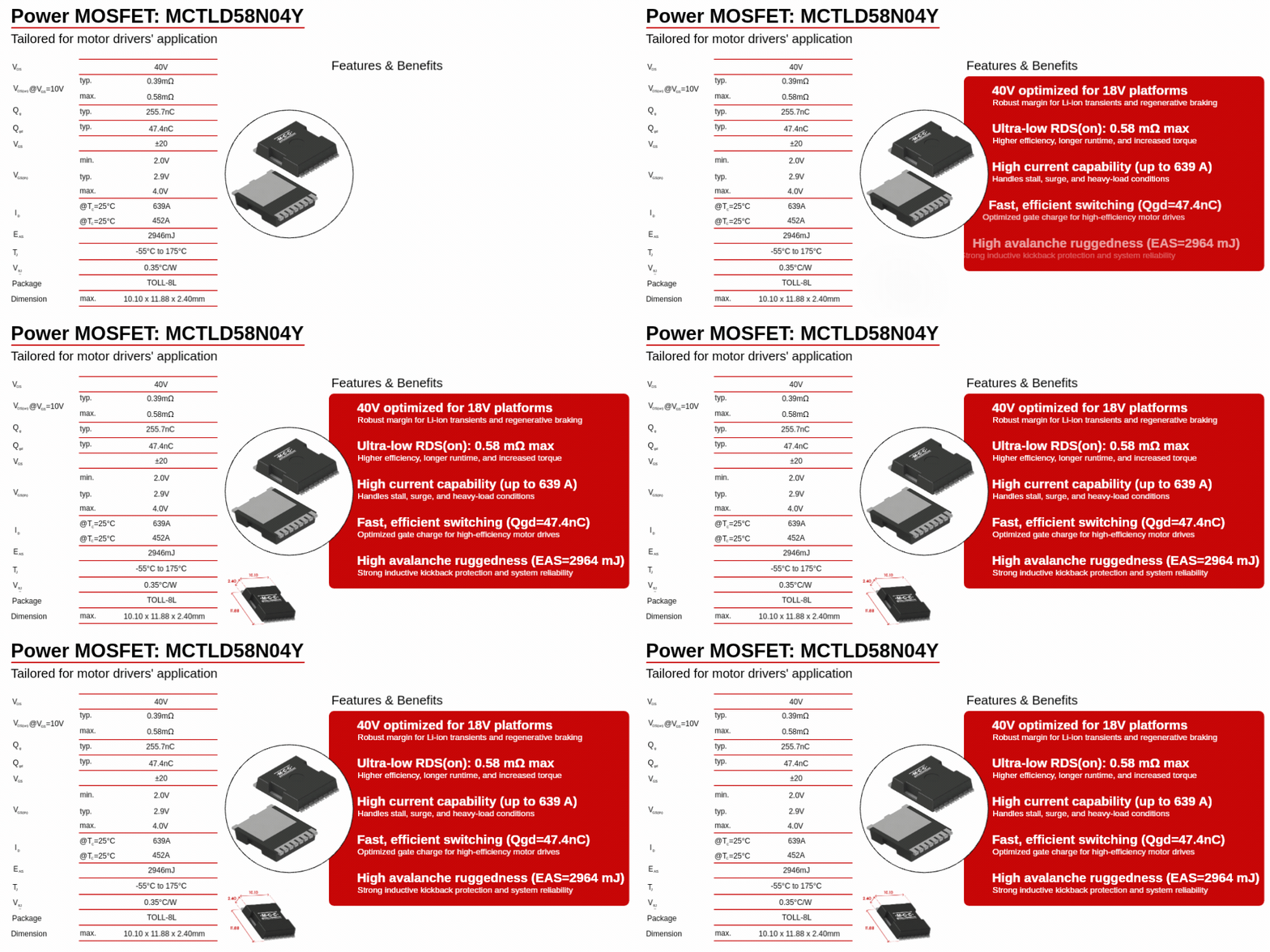
Solution: MCTLD58N04Y
Based on the evaluation, the MCTLD58N04Y 40V N-channel MOSFET was selected for the BLDC inverter stage of the 18V platform.
The device meets the required low RDS(on), high current capability, and stable switching performance for motor drive operation. It also provides sufficient avalanche robustness to handle inductive voltage spikes during startup, stall, and normal switching.
The TOLL-8L package supports thermal performance and current handling within the system’s design constraints.
The selected solution meets the electrical and thermal requirements of the application and is being considered for next-generation cordless power tool designs.